

MONROVIA, May 3, 2026 — In a country where domestic work has long been informal, unregulated, and often risky for both workers and households, young Liberian entrepreneur Mrs. Danise Dodoo is quietly reshaping the narrative.
At a lively client hangout in Monrovia over the weekend, Mrs. Dodoo, founder and CEO of Lenise Home Care and Support Services, addressed a diverse group of clients—families, professionals, and business owners—reflecting on a journey that began just three years ago, in 2023, with a bold idea: to professionalize home care services while creating safe, dignified employment for young people, especially women.
“This is our first time bringing only our clients together,” Dodoo said. “We wanted to listen—not over the phone, but face-to-face. What are we doing right? What are we doing wrong? That’s how we improve and grow.”
From Startup to Growing Enterprise
What began with a client base of 70 to 75 has grown into a business now serving more than 180 households and businesses, steadily approaching 200. But for Dodoo, the numbers tell only part of the story.
Her mission is rooted in addressing unemployment and vulnerability among young Liberian women.
“We created this company to provide opportunities,” she explained. “Single mothers and young people who are willing to work—we train them, vet them, and connect them to families who need help. It’s not just business; it’s empowerment.”
Through Lenise, domestic workers—referred to as “agents”—receive training, background checks, and structured placement—a sharp contrast to Liberia’s largely informal domestic labor market.
A Two-Way Protection System
Mrs. Dodoo emphasized that her company, located along the Capitol Bypass in Monrovia, serves as both a bridge and a buffer between clients and workers.
“For clients, there’s peace of mind. If anything goes wrong, we take responsibility,” she said. “At the same time, our agents are protected—no abuse, no exploitation. We have contracts, and we enforce them.”
This dual accountability model is proving to be a game-changer in a sector often plagued by mistrust, wage disputes, and abuse.
Clients Speak: “It Gives You Relief”
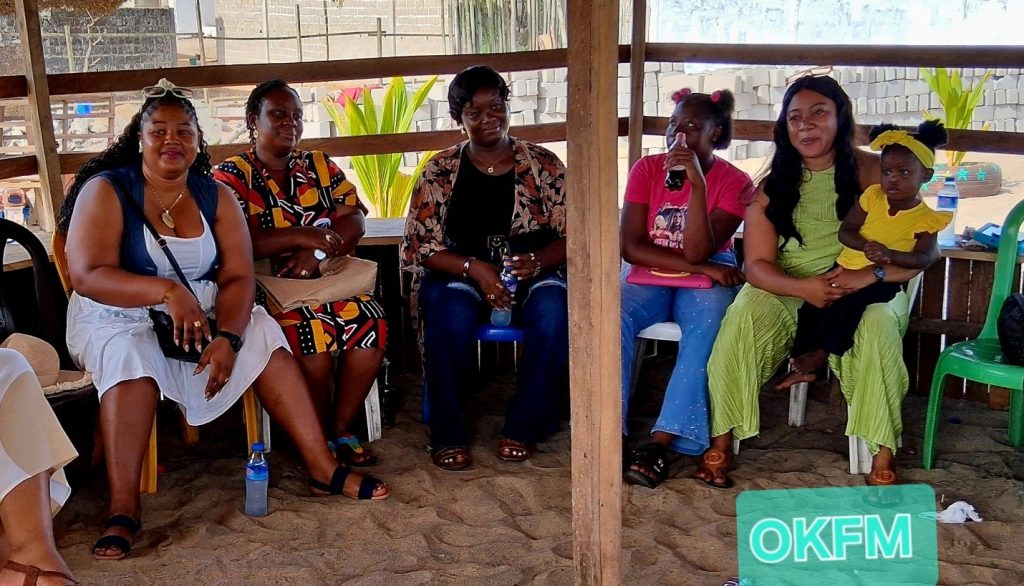
For many clients, the impact is clear—and deeply personal.
Mrs. Markise Dolley, a client of nearly two years, described her experience as transformative.
“Before, I relied on community recommendations, but it was stressful,” she said. “Some would come just for quick money, then leave or misbehave. But with Lenise, it gives you relief.”
She said reliability has been the biggest difference.
“My housemaid has been with me for almost two years. That doesn’t happen often. Anytime there’s an issue, the company steps in and resolves it immediately.”
Madame Nelly Kettor-Borweh shared a similar experience.
“I struggled to find someone to care for my children,” she said. “Since I contacted Lenise, everything changed. Their agents are trained—they’re not just picked off the street.”
She emphasized the reduced risk.
“When you hire from the community, there’s a lot of liability. But with Lenise, that burden shifts to the company. You feel safe.”
Mrs. Enor Neufville echoed that sentiment.
“I’ve had bad experiences before—people stealing or disappearing,” she said. “Now, I feel secure. My home is safe, and that means everything.”
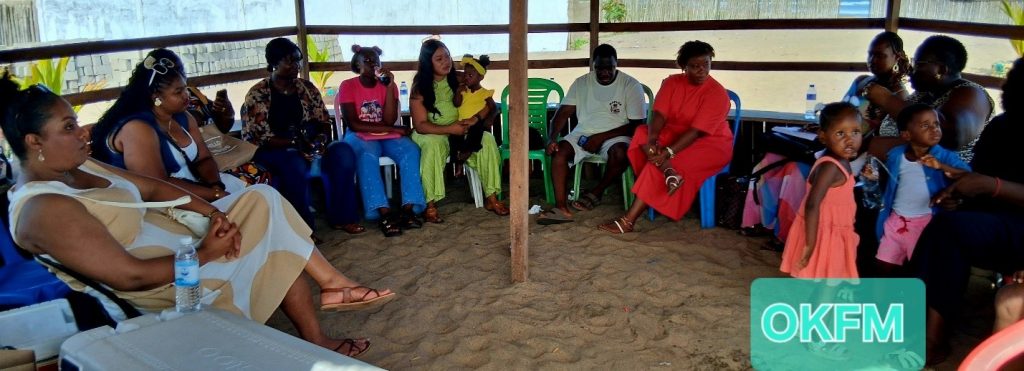
Building Trust
Trust, Mrs. Dodoo says, is the company’s most valuable currency.
“Every client who signs up is trusting us with their home, their children, and their lives,” she noted. “We don’t take that lightly.”
To maintain that trust, Lenise invests heavily in training—often self-funded—as well as monitoring systems and client feedback.
Early support came through a US$2,000 grant from the Youth Entrepreneurs Network, which helped the company acquire a motorbike to improve mobility and response time.
“That changed a lot for us,” Dodoo said. “We could finally do spot checks and respond faster.”
Expansion and Empowerment
Looking ahead, Dodoo is preparing to launch an Empowerment Center, now 80 percent complete, which will serve as a training hub and event space for up to 50 people.
“We want a space where we can continuously train and uplift people,” she said, while calling on NGOs and partners for support.
A Model for Liberia’s Future
In a challenging economic climate, Dodoo believes businesses must go beyond profit to create impact.
“We can’t leave everything to the government,” she said. “We have to create solutions—help people earn, live with dignity, and feel safe.”
For her clients, that vision is already becoming reality.
“They are doing a remarkable job,” Nelly said. “As a Liberian woman, it makes me proud to support another woman building something like this.”
Stakeholder Endorsement: “On the Path for Greatness”
Adding further credibility, Benjamin Dagher, President of the Youth Entrepreneurs Network Liberia (YEN-L), praised Lenise’s growth and innovation.
“We’ve worked with Lenise for over two years and have seen it grow from about 75 clients to well over 150,” he said. “That shows they are doing extremely well.”
Dagher noted that caregiving is not a luxury business, but one that requires trust, professionalism, and strong systems.
“This space demands care and consistency—and Lenise understands that,” he said.
Redefining Domestic Work
He highlighted the company’s innovative approach to domestic services.
“In the past, people simply picked workers from the community, with little structure or training,” he said. “Lenise has changed that.”
“They don’t just recruit—they train. Whether literate or not, individuals are equipped with essential skills to deliver professional caregiving services.”
According to Dagher, client testimonials at the event reflect that impact.
“These workers are not just placed—they are prepared. That’s the difference. That’s innovation.”
Building Skills Beyond the Company
Dagher also emphasized the broader impact of Lenise’s training programs, especially with the upcoming Empowerment Center.
“When you train people at that level, you’re building capacity for the entire community,” he said. “Even if they move on, those skills stay with them.”
He described Lenise as a model of sustainable entrepreneurship—one that creates lasting social value.
“Watch Out for What’s Next”
Looking ahead, Benjamin Dagher expressed confidence in the company’s future.
“Lenise is on the path for greatness,” he said. “This is a female-led business that is intentional about growth, sustainability, and service delivery.”
As the event closed to applause, one thing was clear: Mrs. Danise Dodoo is not just running a business—she is redefining an industry and restoring trust in a space where it has long been missing.


